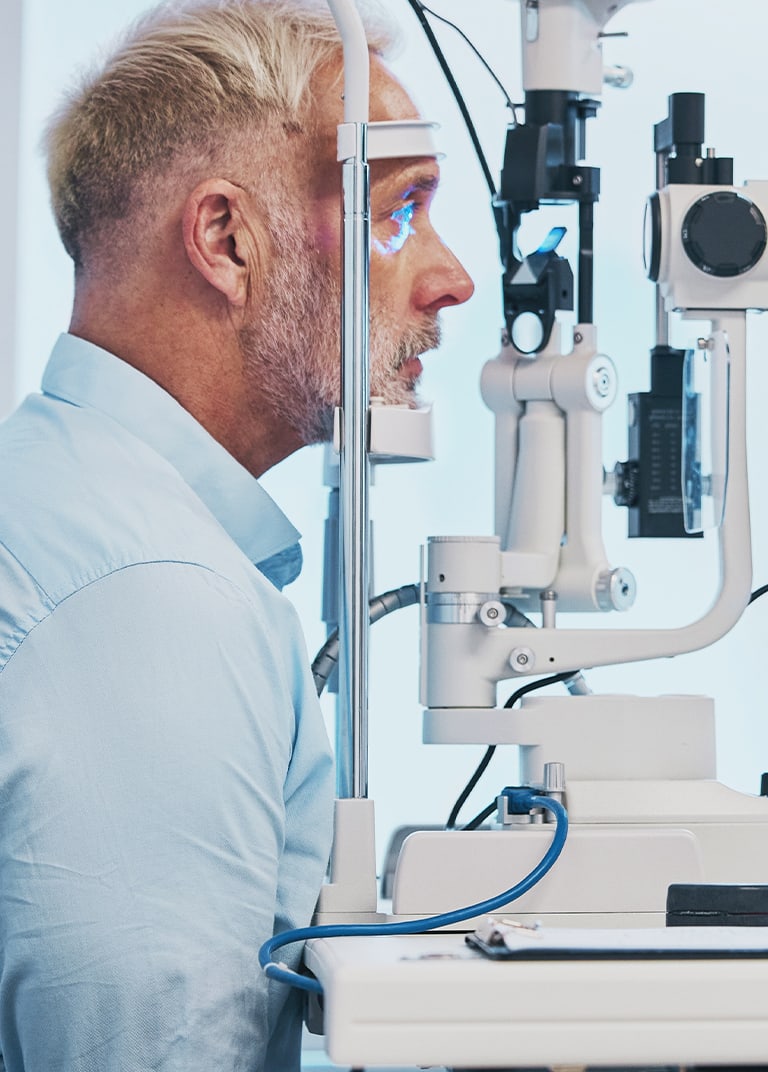

Your Partner in Lifelong Vision Health
Your eyesight affects the quality of your life. Many serious eye conditions can develop without noticeable symptoms, especially in the early stages. Annual eye exams are essential because they give us the chance to detect changes early, monitor risk factors, and take action before vision loss occurs.
With our experienced team, modern technology, and deep commitment to personalized care, we’re here to help you navigate diagnosis and management.
Let’s protect your vision together. Contact us to schedule your next eye exam today.
Request AppointmentCommon Eye Diseases We Diagnose & Manage
Ocular disease can develop gradually and without noticeable symptoms. However, irreversible damage can begin long before any warning signs appear—making early detection and timely intervention essential for protecting your vision.
Through annual comprehensive exams, we detect subtle changes, monitor progression, and tailor treatment plans to your unique needs.
Don’t wait for symptoms to appear. Prioritize your eye health today with comprehensive care designed to preserve your vision for years to come.
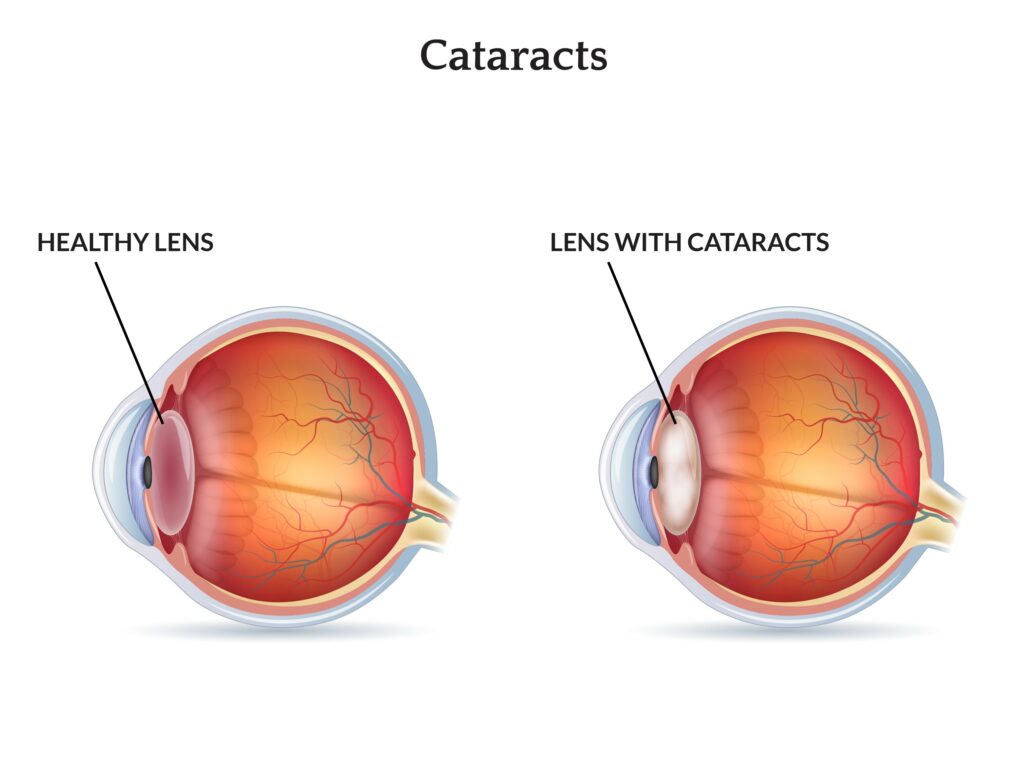
Cataracts
Cataracts are a natural clouding of the eye’s lens that gradually reduces vision clarity. The lens is responsible for focusing light onto the retina, and when it becomes cloudy, everyday activities like reading, driving, and recognizing faces can become more difficult.
Cataracts often develop slowly over time and can cause symptoms such as blurred or hazy vision, glare from lights, difficulty seeing at night, faded colors, and double vision in one eye.
Risk Factors: Aging is the most common cause of cataracts. Other factors include diabetes, smoking, prolonged sun exposure, and a family history of cataracts. Certain medications and eye injuries can also contribute.
Prevention: Wearing sunglasses, maintaining overall eye health, managing chronic conditions like diabetes, and avoiding smoking can help slow cataract development.
Management: Cataracts are typically monitored through regular eye exams. When vision significantly affects daily life, surgery to replace the cloudy lens with a clear artificial lens is the standard treatment.
Glaucoma
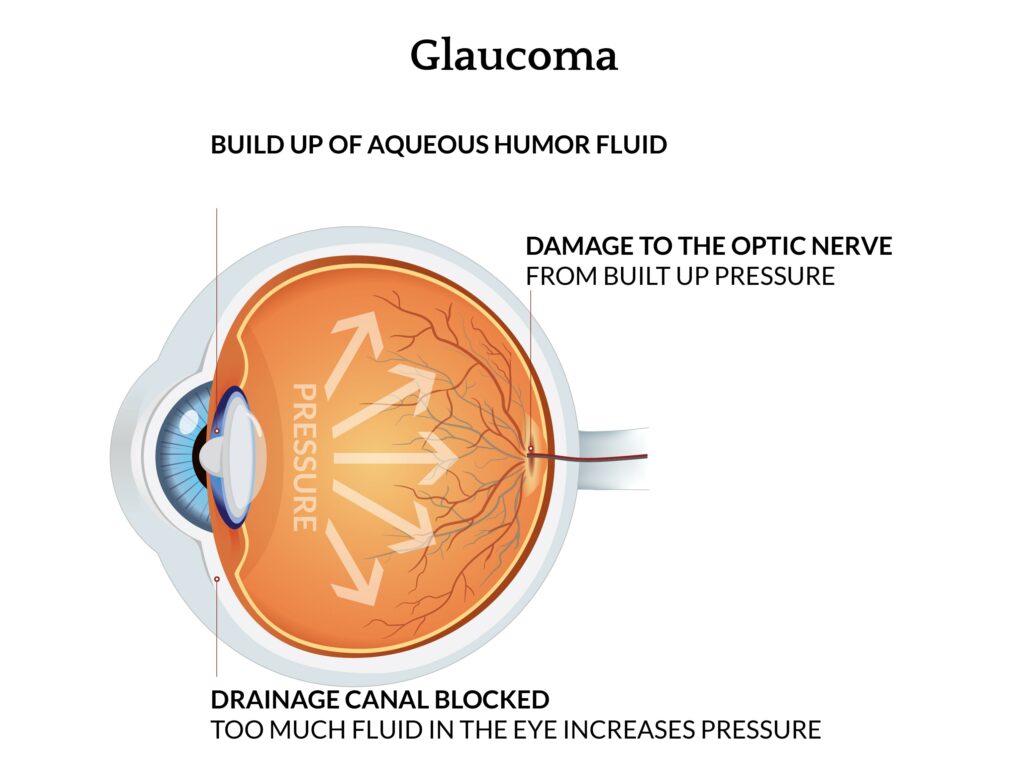
Glaucoma is a group of eye conditions that damage the optic nerve, the crucial connection between the eye and the brain. This damage is often related to increased eye pressure but can also occur with normal eye pressure.
In its early stages, glaucoma often presents no symptoms, which is why regular eye exams are essential. As it progresses, glaucoma can lead to gradual loss of peripheral vision and, if untreated, permanent vision loss.
Risk Factors: Age over 40, family history of glaucoma, high eye pressure, diabetes, high blood pressure, and certain medications.
Symptoms: Early glaucoma usually has no noticeable symptoms. Advanced glaucoma may cause tunnel vision, blurred vision, and difficulty seeing in low light.
Prevention: Routine comprehensive eye exams, early detection, and managing risk factors are key to preventing significant vision loss.
Management: Treatment can include prescription eye drops, oral medications, laser therapy, or surgery, depending on the type and severity of glaucoma.
Diabetic Eye Disease (Diabetic Retinopathy)
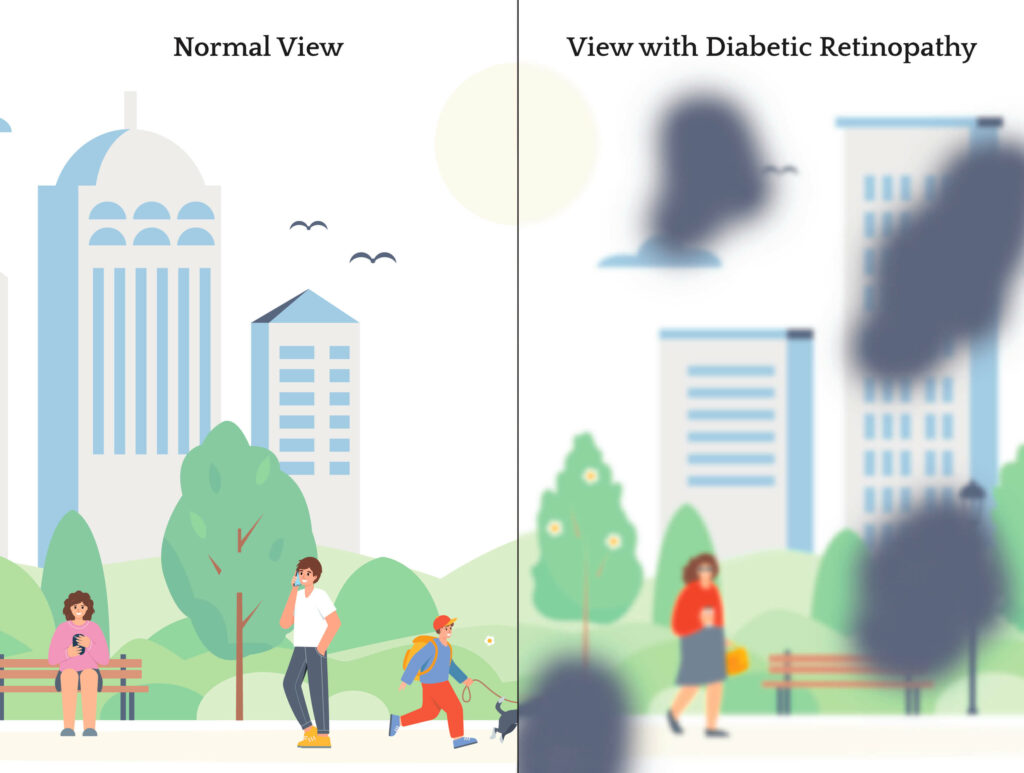
Diabetic eye disease occurs when high blood sugar levels damage the small blood vessels in the retina, potentially leading to vision-threatening complications. Even patients with well-managed diabetes can develop diabetic retinopathy without noticeable symptoms in the early stages.
Risk Factors: Duration of diabetes, poor blood sugar control, high blood pressure, and high cholesterol.
Symptoms: Early stages often cause no symptoms. As the disease progresses, symptoms may include blurred vision, dark spots or floaters, difficulty seeing at night, and sudden vision loss.
Prevention: Regular eye exams, strict blood sugar control, blood pressure management, and cholesterol control can help reduce the risk.
Management: Comprehensive diabetic eye exams include detailed retinal imaging to detect early changes. Treatment options may include laser therapy, injectable medications, or surgery to prevent further vision loss.
Age-Related Macular Degeneration (AMD)
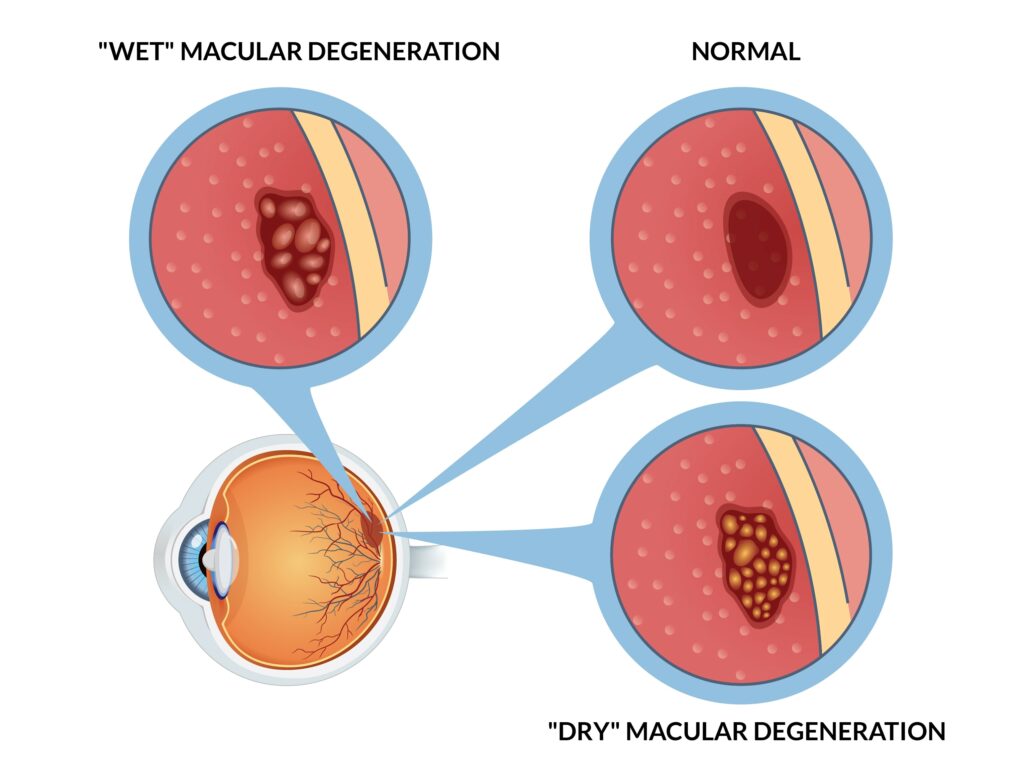
Macular degeneration is a condition that affects the central part of the retina—the area responsible for the majority of our sharp, detailed vision.
It most commonly occurs in people over the age of 50 and is classified into 2 main types: dry and wet. Early detection is crucial, as it can help prevent significant and potentially rapid vision loss.
Risk Factors: Age, smoking, high blood pressure, obesity, excessive sun exposure, and family history.
Symptoms: Early AMD may cause blurred or distorted central vision, difficulty reading, or straight lines appearing wavy. Wet AMD can progress rapidly, sometimes leading to sudden central vision loss.
Prevention: Wearing sunglasses, eating a nutrient-rich diet, not smoking, and regular eye exams can reduce risk and help catch changes early.
Management: Dry AMD is managed with lifestyle adjustments and ocular vitamin supplementation. Wet AMD requires prompt treatment with medications injected into the eye to preserve vision.
Comprehensive Support for Ocular Disease
Managing an eye condition can be challenging, which is why we focus on clear communication and compassionate care. At Grove Eye Care, we take the time to explain your diagnosis, review your options, and guide you through each step of your care.
Whether it’s regular monitoring, lifestyle guidance, advanced imaging, or co-managing surgery with a specialist, our team is committed to supporting your vision and long-term eye health.







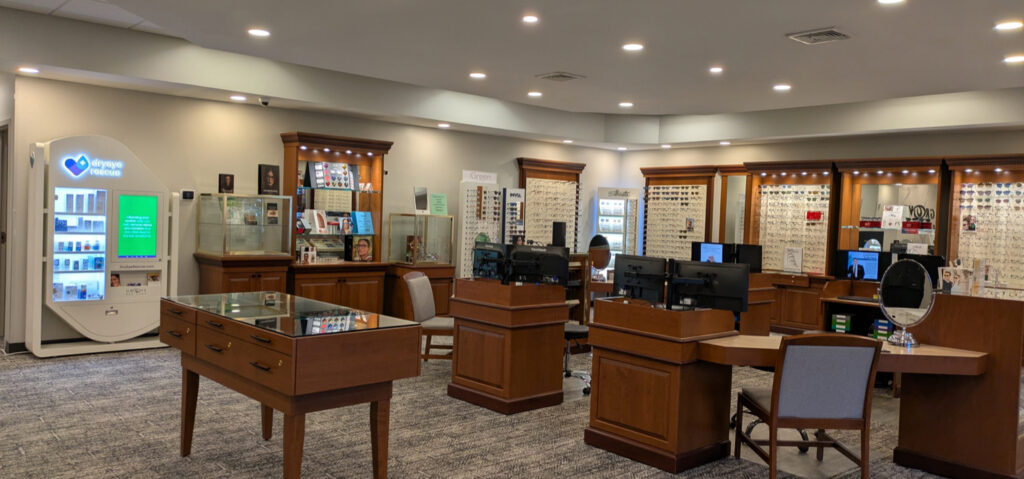
Richmond
Our Address
- 3601 Grove Ave
- Richmond, VA 23221
Contact Information
- 804-353-3937
- 804-358-1395
- [email protected]
Hours of Operation
Midlothian
Our Address
- 14431 Sommerville Ct, Suite B
- Midlothian, VA 23113
Contact Information
- 804-888-8998
- 804-888-8999
- [email protected]
Hours of Operation

What Our Patients are Saying
Wonderful experience from my initial call through to making my next appointment! The office team are friendly, professional, efficient, and kind. Dr. Deese took the time to listen to my concerns, examine my eye, explain my treatment plan and answer any questions. He is super personable and clearly very knowledgeable. I highly recommend the practice!
Michele
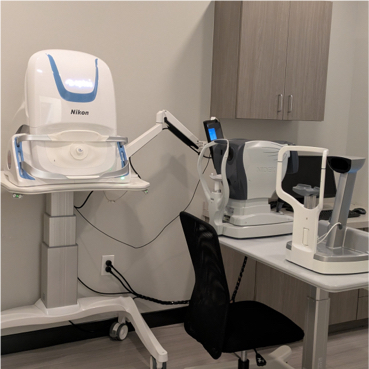
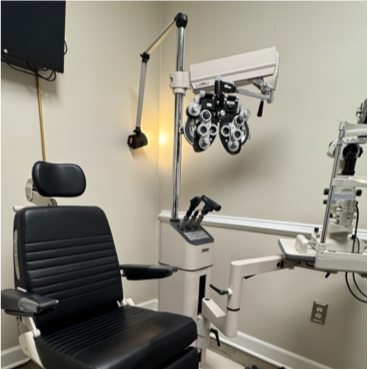
I’ve been coming here for a few years, but my former eye doctor retired last year, so my most recent appointment was with Dr. Wong. He was very thorough. I appreciated him indulging all my questions about the purpose of each machine, as well as, how different parts of the eye function. Great, seamless appointment.
Peighton
Dr Parsons is delightful. I’ve been going to Grove Eye Care for many years and when my doctor retired I was thinking maybe I’d look for someone closer to my home. But after meeting her and her caring professional team, I decided to stay…and am very happy I did!
Kathie
Dr. Parsons has been taking care of me and my family for years. The staff is amazing and very welcoming every time that I visit. They have state of the art equipment and technology. Dr. Parsons takes the time to thoroughly examine my eyes and she explains what she is doing step by step. The entire office is very clean and the environment is awesome!
Chaz
Top Notch! I had very nice experience. All the staff were very professional. My appointment on time. I was treated with the upmost of care and respect. All the care I was given was explained step by step not just of tests, but the why they were being done. My doctor made sure I understood the purpose of my whole exam. I was blown away by the attention I received. I appreciate their care.
Johnie
This was my first visit to your office. Everyone was helpful, polite positive and seem to enjoy their jobs. The girls at the front desk were fantastic. One even let me borrow her air pump to pump up my motorcycle tire. The doctor and the assistant eye specialist were excellent. Everything was explained to me and done in a professional manner.
Steven



About Us
Services
Dry Eye Center
Patient Center
Our Locations
Grove Eye Care – Richmond
- 3601 Grove Ave
- Richmond, VA 23221
- Phone: 804-353-3937
- Fax: 804-358-1395
- Email: [email protected]
Grove Eye Care – Midlothian
- 14431 Sommerville Ct, Suite B
- Midlothian, VA 23113
- Phone: 804-888-8998
- Fax: 804-888-8999
- Email: [email protected]